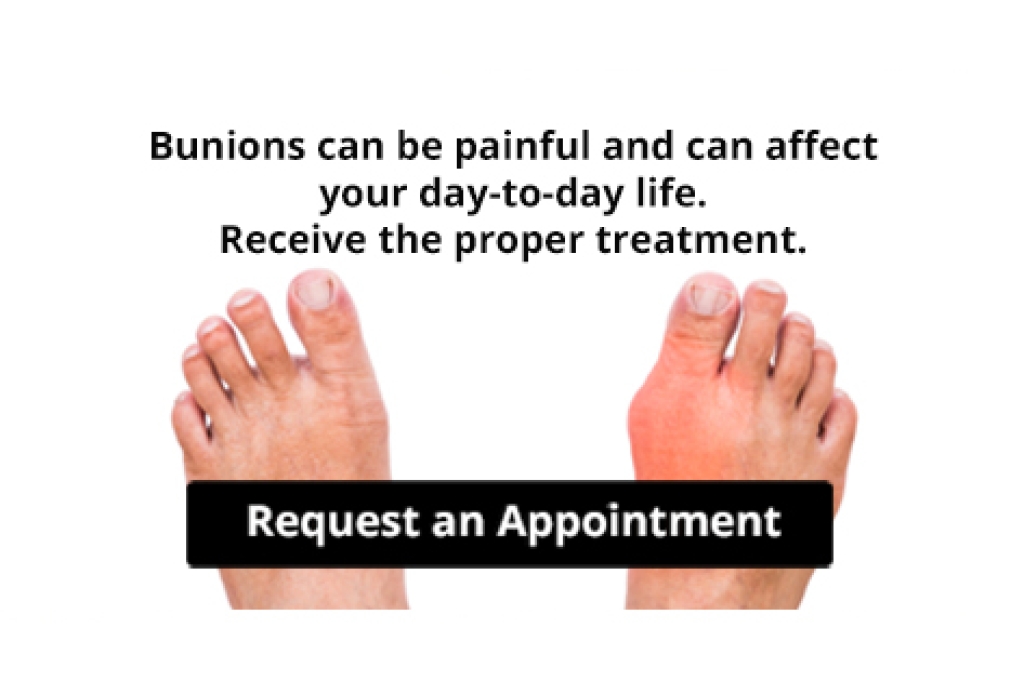
Have you noticed a bony protrusion on the side of your big toe? If so, you may have developed the foot condition known as a bunion. Don't let bunions interfere with your daily activities.
Have you noticed a bony protrusion on the side of your big toe? If so, you may have developed the foot condition known as a bunion. Don't let bunions interfere with your daily activities.

Walking and running shoes may look similar, but they serve different purposes and offer unique features. Running shoes typically provide more cushioning to absorb greater impact and often have a higher heel drop to support forward motion. Walking shoes have firmer soles for stability and even weight distribution. Durability also varies, as running shoes are designed to withstand repetitive, high-impact forces. Wearing the wrong type can lead to discomfort or injury. A podiatrist can assess your gait, foot structure, and activity level to recommend the most suitable footwear or custom orthotics. If you have sustained a foot injury from wearing the wrong type of shoes, it is suggested that you consult a podiatrist who can treat various foot injuries and guide you on the proper shoes to wear for your desired walking or running style.
For more information about walking shoes versus running shoes, consult with Gabe Rodriguez, DPM from Sioux Falls Foot Specialist. Our doctor can measure your feet to determine what your needs are and help you find an appropriate pair of footwear.
Foot Health: The Differences between Walking & Running Shoes
There are great ways to stay in shape: running and walking are two great exercises to a healthy lifestyle. It is important to know that running shoes and walking shoes are not interchangeable. There is a key difference on how the feet hit the ground when someone is running or walking. This is why one should be aware that a shoe is designed differently for each activity.
You may be asking yourself what the real differences are between walking and running shoes and the answers may shock you.
Differences
Walking doesn’t involve as much stress or impact on the feet as running does. However, this doesn’t mean that you should be any less prepared. When you’re walking, you land on your heels and have your foot roll forward. This rolling motion requires additional support to the feet.
Flexibility – Walking shoes are designed to have soft, flexible soles. This allows the walker to push off easily with each step.
If you have any questions, please feel free to contact our office located in Sioux Falls, SD . We offer the newest diagnostic and treatment technologies for all your foot care needs.

Arthritis can affect the joints in the feet, leading to pain, stiffness, and swelling. The most common type is osteoarthritis, which occurs due to the gradual wear and tear of joint cartilage, often caused by injury, overuse, or genetics. Rheumatoid arthritis, or RA, is an autoimmune disease that leads to inflammation and damage in the joints, including those in the feet. Psoriatic arthritis, another autoimmune disorder, can cause swelling in the toes and changes in the nails, such as pitting. Additionally, gout is a type of arthritis that results from the accumulation of uric acid in the joints. Gout often affects the big toe and causes intense pain and swelling, especially at night. Common symptoms of arthritis in the feet include difficulty walking, tenderness, and visible changes in the joints or nails. If you are experiencing foot pain that may be caused by arthritis, it is suggested that you schedule an appointment with a podiatrist for a diagnosis and appropriate treatment options.
Arthritis can be a difficult condition to live with. If you are seeking treatment, contact Gabe Rodriguez, DPM from Sioux Falls Foot Specialist. Our doctor can provide the care you need to keep you pain-free and on your feet.
Arthritic Foot Care
Arthritis is a joint disorder that involves the inflammation of different joints in your body, such as those in your feet. Arthritis is often caused by a degenerative joint disease and causes mild to severe pain in all affected areas. In addition to this, swelling and stiffness in the affected joints can also be a common symptom of arthritis.
In many cases, wearing ill-fitting shoes can worsen the effects and pain of arthritis. Wearing shoes that have a lower heel and extra room can help your feet feel more comfortable. In cases of rheumatoid arthritis, the arch in your foot may become problematic. Buying shoes with proper arch support that contour to your feet can help immensely.
Alleviating Arthritic Pain
It is best to see your doctor for the treatment that is right for your needs and symptoms. Conditions vary, and a podiatrist can help you determine the right method of care for your feet.
If you have any questions please feel free to contact our office located in Sioux Falls, SD . We offer the newest diagnostic tools and technology to treat your foot and ankle needs.

As the body ages, the structure and function of the feet and ankles begin to shift. Natural wear and tear, along with a lifetime of activity, can lead to decreased flexibility, weaker muscles, and thinning of the protective fat pads that cushion each step. Joint cartilage may become worn, and ligaments may lose some of their elasticity, making balance and movement less steady. These changes can affect posture, walking patterns, and stability. Even small changes in foot shape or ankle strength can increase the risk of falls or discomfort. Wearing supportive footwear, regular movement, and attention to foot health can help maintain mobility. If walking becomes more difficult or foot pain increases with age, it is suggested that you consult a podiatrist to address these concerns and improve comfort during daily activities.
If you have any concerns about your feet, contact Gabe Rodriguez, DPM from Sioux Falls Foot Specialist. Our doctor can provide the care you need to keep you pain-free and on your feet.
Biomechanics in Podiatry
Podiatric biomechanics is a particular sector of specialty podiatry with licensed practitioners who are trained to diagnose and treat conditions affecting the foot, ankle and lower leg. Biomechanics deals with the forces that act against the body, causing an interference with the biological structures. It focuses on the movement of the ankle, the foot and the forces that interact with them.
A History of Biomechanics
Modern technological improvements are based on past theories and therapeutic processes that provide a better understanding of podiatric concepts for biomechanics. Computers can provide accurate information about the forces and patterns of the feet and lower legs.
Understanding biomechanics of the feet can help improve and eliminate pain, stopping further stress to the foot.
If you have any questions please feel free to contact our office located in Sioux Falls, SD . We offer the newest diagnostic and treatment technologies for all your foot and ankle needs.

Flat feet in babies and children are common and usually a normal part of early development. Symptoms include feet that appear flat when standing, uneven shoe wear, or difficulty with balance as the child begins to walk. This condition often results from undeveloped arches, flexible joints, or inherited traits. While many cases resolve naturally as the child grows, some may benefit from early evaluation. A podiatrist can assess foot structure, provide stretching exercises, and recommend proper footwear or orthotics, if needed. If you notice your baby or child is walking differently or showing signs of discomfort, it is suggested that you consult a podiatrist. Early guidance can support healthy development and prevent future foot or gait concerns.
Flatfoot is a condition many people suffer from. If you have flat feet, contact Gabe Rodriguez, DPM from Sioux Falls Foot Specialist. Our doctor will treat your foot and ankle needs.
What Are Flat Feet?
Flatfoot is a condition in which the arch of the foot is depressed and the sole of the foot is almost completely in contact with the ground. About 20-30% of the population generally has flat feet because their arches never formed during growth.
Conditions & Problems:
Having flat feet makes it difficult to run or walk because of the stress placed on the ankles.
Alignment – The general alignment of your legs can be disrupted, because the ankles move inward which can cause major discomfort.
Knees – If you have complications with your knees, flat feet can be a contributor to arthritis in that area.
Symptoms
Treatment
If you are experiencing pain and stress on the foot you may weaken the posterior tibial tendon, which runs around the inside of the ankle.
If you have any questions, please feel free to contact our office located in Sioux Falls, SD . We offer the newest diagnostic and treatment technologies for all your foot care needs.
Connect With Us
