
Have your child's feet been examined lately? Healthy feet are happy feet. If your child is complaining of foot pain, it may be a sign of underlying problems.
Have your child's feet been examined lately? Healthy feet are happy feet. If your child is complaining of foot pain, it may be a sign of underlying problems.
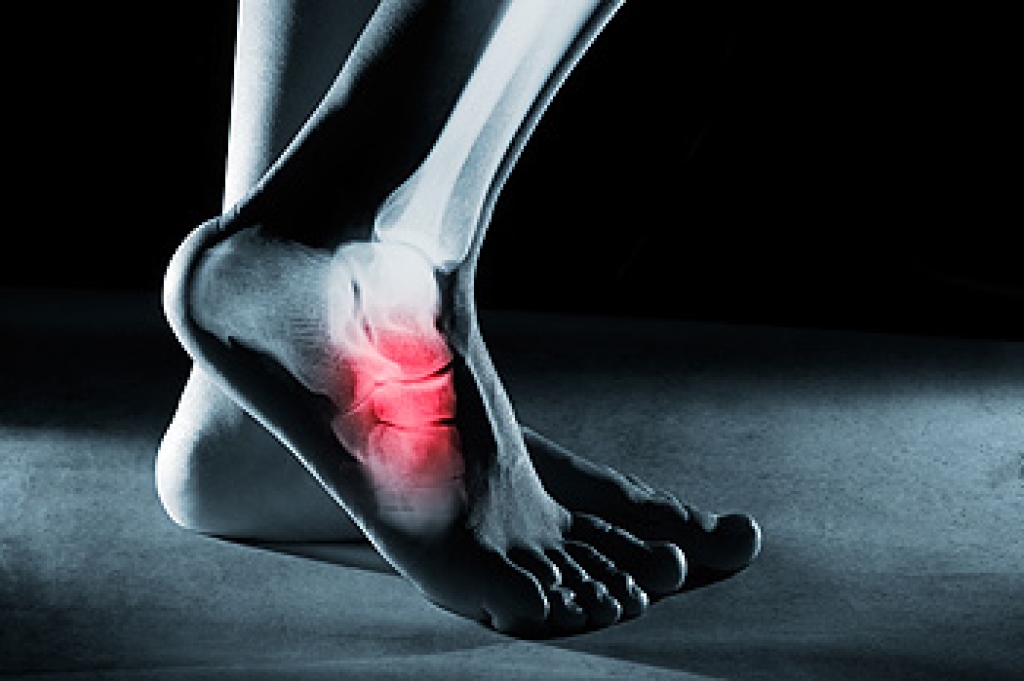
A stress fracture is a small crack in a bone that develops from repetitive force rather than a single injury. It commonly occurs in the feet and ankles due to repeated stress from activities such as walking and running. Causes include sudden increases in running speed or distance, and inadequate recovery time. Symptoms often involve localized pain, swelling, and tenderness that worsens with activity and improves with rest. Risk factors include wearing improper footwear, low bone density, and high-impact sports. A podiatrist can diagnose stress fractures through examination and imaging, provide immobilization strategies, and recommend footwear or orthotics to support healing. Early treatment is essential to prevent worsening injury. If you have symptoms of a foot stress fracture, it is suggested that you consult a podiatrist who can accurately diagnose and offer effective treatment solutions.
Stress fractures occur when there is a tiny crack within a bone. To learn more, contact Gabe Rodriguez, DPM from Sioux Falls Foot Specialist. Our doctor can provide the care you need to keep you pain free and on your feet.
How Are They Caused?
Stress fractures are the result of repetitive force being placed on the bone. Since the lower leg and feet often carry most of the body’s weight, stress fractures are likely to occur in these areas. If you rush into a new exercise, you are more likely to develop a stress fracture since you are starting too much, too soon. Pain resulting from stress fractures may go unnoticed at first, however it may start to worsen over time.
Risk Factors
Stress fractures do not always heal properly, so it is important that you seek help from a podiatrist if you suspect you may have one. Ignoring your stress fracture may cause it to worsen, and you may develop chronic pain as well as additional fractures.
If you have any questions please contact our office located in Sioux Falls, SD . We offer the newest diagnostic and treatment technologies for all your foot and ankle needs.
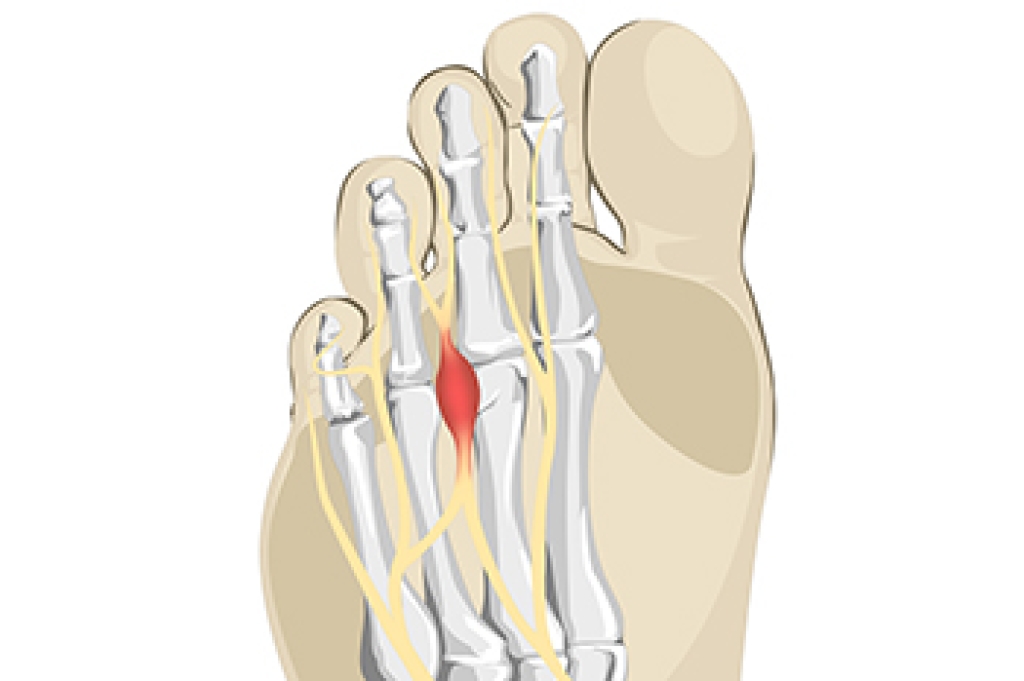
Morton’s neuroma is a condition that involves thickening of tissue surrounding a nerve, most often between the third and fourth toes. This can lead to burning pain, tingling, or the feeling that something is stuck under the ball of the foot. Symptoms may worsen with walking, standing, or wearing tight or narrow shoes that place pressure on the forefoot. Over time, the irritation can become more persistent if the source of pressure is not addressed. Care typically begins with reducing stress on the area through footwear changes, padding, or custom orthotics to improve weight distribution. Anti-inflammatory measures or targeted treatments may also help calm the irritated nerve. In cases where symptoms do not improve, additional procedures may be considered to relieve pressure or address the affected tissue. If you have ongoing forefoot pain or unusual sensations, it is suggested that you see a podiatrist for a proper diagnosis and appropriate treatment.
Morton’s neuroma is a very uncomfortable condition to live with. If you think you have Morton’s neuroma, contact Gabe Rodriguez, DPM of Sioux Falls Foot Specialist. Our doctor will attend to all of your foot care needs and answer any of your related questions.
Morton’s Neuroma
Morton's neuroma is a painful foot condition that commonly affects the areas between the second and third or third and fourth toe, although other areas of the foot are also susceptible. Morton’s neuroma is caused by an inflamed nerve in the foot that is being squeezed and aggravated by surrounding bones.
What Increases the Chances of Having Morton’s Neuroma?
Morton’s neuroma is a very treatable condition. Orthotics and shoe inserts can often be used to alleviate the pain on the forefront of the feet. In more severe cases, corticosteroids can also be prescribed. In order to figure out the best treatment for your neuroma, it’s recommended to seek the care of a podiatrist who can diagnose your condition and provide different treatment options.
If you have any questions, please feel free to contact our office located in Sioux Falls, SD . We offer the newest diagnostic and treatment technologies for all your foot care needs.

Golf may look like a low impact sport, but the feet and ankles work hard throughout a round. Players often walk several miles on uneven terrain while repeatedly shifting weight during each shot. These combined demands can place stress on the joints, tendons, and ligaments of the lower extremities. Common injuries include ankle sprains, tendon inflammation, heel pain, and stress injuries in the midfoot. The twisting motion of the body during play can also aggravate existing conditions such as plantar fasciitis or arthritis. Wearing poor footwear with inadequate support may increase the strain on the feet during long rounds. Paying attention to early discomfort can help prevent a small problem from becoming a lasting injury. A podiatrist can evaluate foot mechanics and recommend treatment or supportive devices, when needed. If you develop persistent foot or ankle pain while playing golf, it is suggested that you see a podiatrist for a proper diagnosis and appropriate treatment.
Ankle and foot injuries are common among athletes and in many sports. They can be caused by several problems and may be potentially serious. If you are feeling pain or think you were injured in a sporting event or when exercising, consult with Gabe Rodriguez, DPM from Sioux Falls Foot Specialist. Our doctor will assess your condition and provide you with quality foot and ankle treatment.
Common Injuries
The most common injuries that occur in sporting activities include:
Symptoms
Symptoms vary depending upon the injury and in some cases, there may be no symptoms at all. However, in most cases, some form of symptom is experienced. Pain, aching, burning, bruising, tenderness, tightness or stiffness, sensation loss, difficulty moving, and swelling are the most common symptoms.
Treatment
Just as symptoms vary depending upon the injury, so do treatment options. A common treatment method is known as the RICE method. This method involves rest, applying ice, compression and elevating the afflicted foot or ankle. If the injury appears to be more serious, surgery might be required, such as arthroscopic or reconstructive surgery. Lastly, rehabilitation or therapy might be needed to gain full functionality in the afflicted area. Any discomfort experienced by an athlete must be evaluated by a licensed, reputable medical professional.
If you have any questions please contact our office located in Sioux Falls, SD . We offer the newest diagnostic and treatment technologies for all your foot and ankle needs.

Peripheral neuropathy involves damage or destruction of nerves outside the brain and spinal cord. They transmit signals between the central nervous system and the rest of the body. Damage can be caused by diabetes, infections, toxins, or trauma. Sensory neuropathy affects the ability to feel pain, temperature, and touch. Motor neuropathy impacts muscle control and movement. Autonomic neuropathy affects involuntary functions, such as sweating and blood flow regulation. Risk factors include long-standing diabetes, excessive alcohol use, and certain medical conditions. Symptoms may include numbness, tingling, burning pain, and muscle weakness in the feet, often leading to balance problems and injury risk. A podiatrist can assess nerve function, identify complications, and provide treatment to protect the feet from injury. If you have symptoms of peripheral neuropathy, it is suggested that you consult a podiatrist who can offer effective relief and management solutions.
Neuropathy
Neuropathy can be a potentially serious condition, especially if it is left undiagnosed. If you have any concerns that you may be experiencing nerve loss in your feet, consult with Gabe Rodriguez, DPM from Sioux Falls Foot Specialist. Our doctor will assess your condition and provide you with quality foot and ankle treatment for neuropathy.
What Is Neuropathy?
Neuropathy is a condition that leads to damage to the nerves in the body. Peripheral neuropathy, or neuropathy that affects your peripheral nervous system, usually occurs in the feet. Neuropathy can be triggered by a number of different causes. Such causes include diabetes, infections, cancers, disorders, and toxic substances.
Symptoms of Neuropathy Include:
Those with diabetes are at serious risk due to being unable to feel an ulcer on their feet. Diabetics usually also suffer from poor blood circulation. This can lead to the wound not healing, infections occurring, and the limb may have to be amputated.
Treatment
To treat neuropathy in the foot, podiatrists will first diagnose the cause of the neuropathy. Figuring out the underlying cause of the neuropathy will allow the podiatrist to prescribe the best treatment, whether it be caused by diabetes, toxic substance exposure, infection, etc. If the nerve has not died, then it’s possible that sensation may be able to return to the foot.
Pain medication may be issued for pain. Electrical nerve stimulation can be used to stimulate nerves. If the neuropathy is caused from pressure on the nerves, then surgery may be necessary.
If you have any questions, please feel free to contact our office located in Sioux Falls, SD . We offer the newest diagnostic and treatment technologies for all your foot care needs.
Connect With Us
