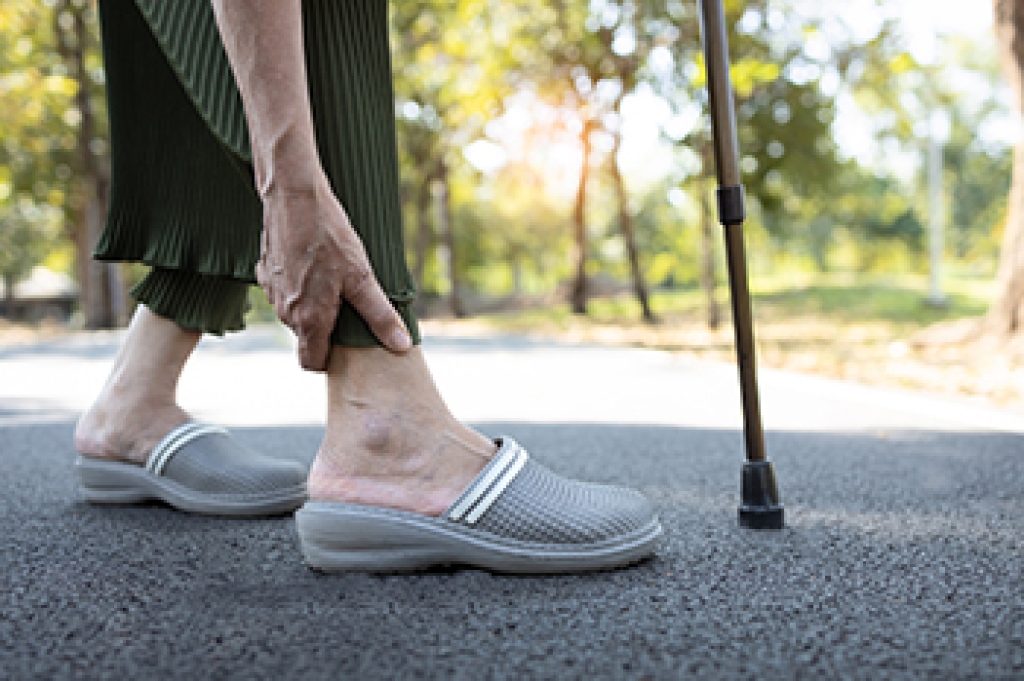
Healthy Feet for Older Adults

As people grow older, natural changes in the feet can affect comfort, balance, and mobility. The skin often becomes thinner and drier, while the protective padding on the soles gradually decreases. Joints may become stiffer, and the feet can change shape. These age-related changes may increase the risk of foot pain, calluses, and nail problems. Some older adults also experience reduced circulation or decreased feeling in their feet, making it harder to notice developing concerns. Because healthy feet play an important role in staying active and independent, regular foot evaluations are essential. Identifying problems early can help prevent discomfort from interfering with daily activities and improve overall quality of life.


Several common foot conditions become more frequent with age, including bunions, hammertoes, and arthritis. Thickened toenails and changes in walking patterns may also develop as the feet continue to change. Persistent foot pain can make standing and walking more difficult, which may reduce physical activity and increase the risk of falls. A comprehensive podiatry examination allows the feet to be carefully evaluated for changes in structure, movement, and skin health. A podiatrist can also identify early signs of conditions that may affect foot function before they become more serious. Prompt diagnosis is important because many age-related foot problems become harder to manage if they continue to progress.


A podiatrist specializes in caring for aging feet and developing treatment plans based on each patient's needs. Professional care focuses on improving comfort, maintaining mobility, and helping patients remain active as they grow older. Ongoing podiatry visits also provide an opportunity to monitor changes in foot health and address new concerns before they lead to complications. Early treatment may reduce pain and support better balance and walking ability. If you are experiencing foot pain, changes in your feet, or difficulty walking as you age, it is suggested that you consult a podiatrist for an evaluation and appropriate treatment options.

If you need your feet checked, contact Gabe Rodriguez, DPM of Sioux Falls Foot Specialist. Our doctor will attend to all of your foot and ankle needs and provide you with quality treatment.

Geriatrics and Podiatry
When people age, some common issues that may occur are bone density loss, dry skin, poor circulation, and rough brittle nails. These issues may also affect your foot health if the necessary steps are not taken to alleviate the problems.

It is important to take care of your feet because feet that are injured or diseased can affect your overall health. Having painful feet hinders your ability to do daily activities or may decrease your willingness to do the things that you need to do.

Visiting Your Geriatrician
As we age, health problems become more likely, so it is essential to visit your doctor for check-ups to ensure that you are doing the best you can to take care of your health. It is recommended to check your feet frequently for any possible cuts, bruises, swelling, corns or any other irregularities. 

Taking Care of Elderly Feet
Cracked or dry feet can be treated by applying moisturizer often. It is also important not to wear old socks because the older the sock is, the higher the possibility there will be that there is bacteria there. Wear fresh socks and make sure they fit properly.

Proper foot health means that you can have a more active lifestyle and you will not be bogged down by pain. Foot health also leads to good circulation, which is paramount for overall health.

If you have any questions, please feel free to contact our office located in Sioux Falls, SD . We offer the newest diagnostic and treatment technologies for all your foot care needs.

Read more about Elderly Foot Care

Foot and Ankle Injuries Caused by Playing Basketball

Foot and ankle injuries from basketball are among the most common sports-related concerns due to the fast-paced and high-impact nature of the game. Basketball requires quick direction changes, jumping, and sudden stops, all of which place stress on the lower extremities. These movements increase the risk of injury, especially when combined with fatigue or improper training. The most common injuries include ankle sprains and Achilles tendon injuries, both of which can affect performance and long-term mobility if not addressed properly.

Symptoms of ankle sprains often include swelling, bruising, and limited range of motion around the joint. Athletes may have difficulty bearing weight or feel instability when walking. Achilles tendon injuries can cause pain along the back of the heel, stiffness, and weakness, especially during push off movements. In more severe cases, a popping sensation may be felt at the time of injury. Recognizing these symptoms early can help prevent further damage and support a safer recovery process.


The causes of basketball-related foot and ankle injuries are often linked to overuse and physical demands. Longer basketball schedules with frequent games and practices can lead to fatigue, which reduces coordination and increases injury risk. Lack of neuromuscular training can also contribute, as proper balance and muscle control are essential for safe movement. Sudden changes in intensity or inadequate warm up routines may place additional strain on the joints and tendons.


Risk factors include previous injuries, poor conditioning, and wearing improper footwear that does not provide adequate support. Playing on hard surfaces and failing to allow time for recovery can further increase the likelihood of injury. Strength training and proper technique can help improve stability and reduce risk. Early care is essential for maintaining foot health and performance. If you have a foot or ankle injury from basketball, it is suggested that you consult a podiatrist for effective relief and treatment solutions.

Sports related foot and ankle injuries require proper treatment before players can go back to their regular routines. For more information, contact Gabe Rodriguez, DPM of Sioux Falls Foot Specialist. Our doctor can provide the care you need to keep you pain-free and on your feet.

Sports Related Foot and Ankle Injuries

Foot and ankle injuries are a common occurrence when it comes to athletes of any sport. While many athletes dismiss the initial aches and pains, the truth is that ignoring potential foot and ankle injuries can lead to serious problems. As athletes continue to place pressure and strain the area further, a mild injury can turn into something as serious as a rupture and may lead to a permanent disability. There are many factors that contribute to sports related foot and ankle injuries, which include failure to warm up properly, not providing support or wearing bad footwear. Common injuries and conditions athletes face, including:

  • Plantar Fasciitis
  • Achilles Tendinitis
  • Achilles Tendon Rupture
  • Ankle Sprains

Sports related injuries are commonly treated using the RICE method. This includes rest, applying ice to the injured area, compression and elevating the ankle. More serious sprains and injuries may require surgery, which could include arthroscopic and reconstructive surgery. Rehabilitation and therapy may also be required in order to get any recovering athlete to become fully functional again. Any unusual aches and pains an athlete sustains must be evaluated by a licensed, reputable medical professional.

If you have any questions please contact our office located in Sioux Falls, SD . We offer the newest diagnostic and treatment technologies for all your foot and ankle needs.

Read more about Sports Related Foot And Ankle Injuries

Heel Spurs and the Benefits of Early Podiatry Care

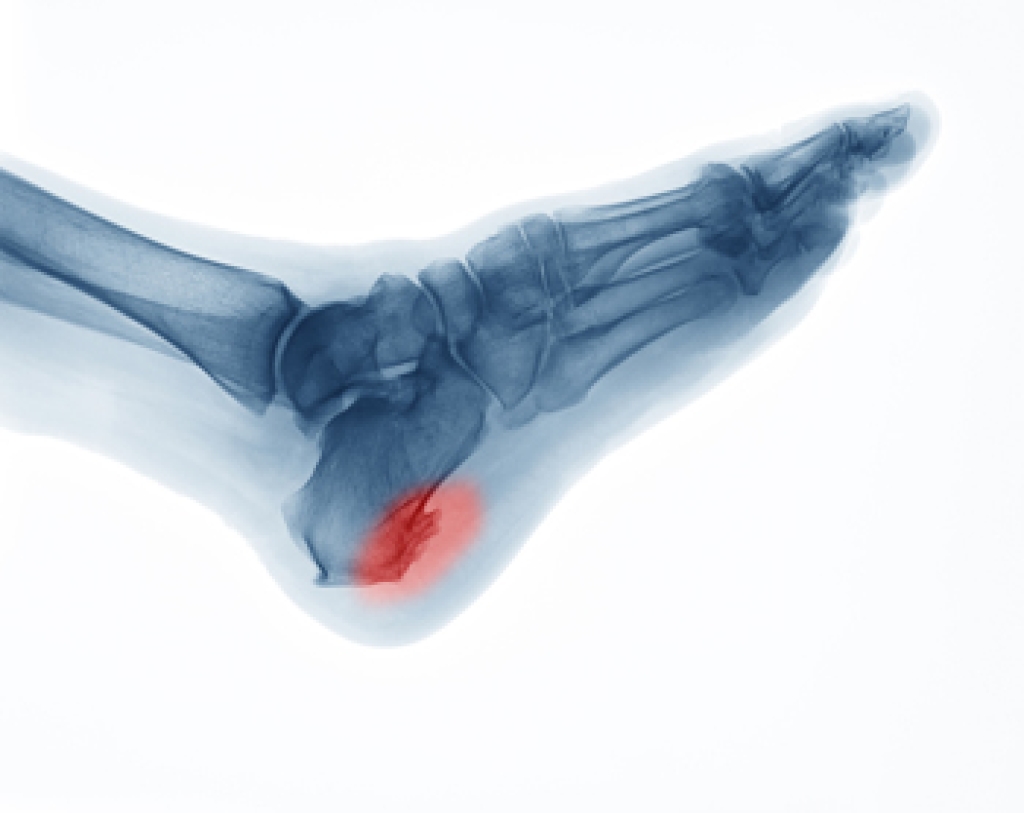
Heel spurs are bony growths that develop on the underside or back of the heel bone. They often form gradually after repeated stress is placed on the foot and may be associated with plantar fasciitis or Achilles tendon problems. Although some heel spurs do not cause symptoms, others can lead to ongoing heel pain that makes standing or walking uncomfortable. Many people describe the pain as sharp when taking their first steps or after long periods of rest. Others notice aching or tenderness that becomes worse after spending time on their feet. Because heel pain has many possible causes, a professional evaluation is important to determine whether a heel spur is responsible for the symptoms.


Repeated strain on the tissues attached to the heel can contribute to the formation of heel spurs. Risk factors include prolonged standing, excess body weight, and activities that place repeated stress on the feet. Foot structure may also play a role in how pressure is distributed across the heel. Persistent heel pain can change the way a person walks, placing additional stress on the ankles, knees, and hips. A thorough examination helps identify the source of the discomfort and determine whether other foot conditions are contributing to the problem. Early diagnosis supports more effective treatment and helps reduce the risk of long-term mobility issues.


A podiatrist specializes in diagnosing and treating heel spurs by evaluating foot structure, walking mechanics, and overall function. Treatment is tailored to each patient's condition and focuses on relieving pain, improving mobility, and reducing stress on the affected tissues. Early podiatry care may also help prevent symptoms from becoming more severe or limiting daily activities. Regular follow-up allows treatment to be adjusted as recovery progresses and foot function improves. If heel pain is interfering with your comfort or mobility, it is suggested that you consult a podiatrist for an evaluation and appropriate treatment options.

Heel spurs can be incredibly painful and sometimes may make you unable to participate in physical activities. To get medical care for your heel spurs, contact Gabe Rodriguez, DPM from Sioux Falls Foot Specialist. Our doctor will do everything possible to treat your condition.

Heels Spurs

Heel spurs are formed by calcium deposits on the back of the foot where the heel is. This can also be caused by small fragments of bone breaking off one section of the foot, attaching onto the back of the foot. Heel spurs can also be bone growth on the back of the foot and may grow in the direction of the arch of the foot.

Older individuals usually suffer from heel spurs and pain sometimes intensifies with age. One of the main condition's spurs are related to is plantar fasciitis.

Pain

The pain associated with spurs is often because of weight placed on the feet. When someone is walking, their entire weight is concentrated on the feet. Bone spurs then have the tendency to affect other bones and tissues around the foot. As the pain continues, the feet will become tender and sensitive over time.

Treatments

There are many ways to treat heel spurs. If one is suffering from heel spurs in conjunction with pain, there are several methods for healing. Medication, surgery, and herbal care are some options.

If you have any questions, please feel free to contact our office located in Sioux Falls, SD . We offer the newest diagnostic and treatment technologies for all your foot care needs.

Read more about How to Treat Heel Spurs

Connect With Us

Advanced Podiatric Procedures & Services in the Sioux Falls, SD 57105 area