
If you are suffering from tenderness, pain, or stiffness in the joints of your feet or ankles, call us to schedule an appointment.
If you are suffering from tenderness, pain, or stiffness in the joints of your feet or ankles, call us to schedule an appointment.
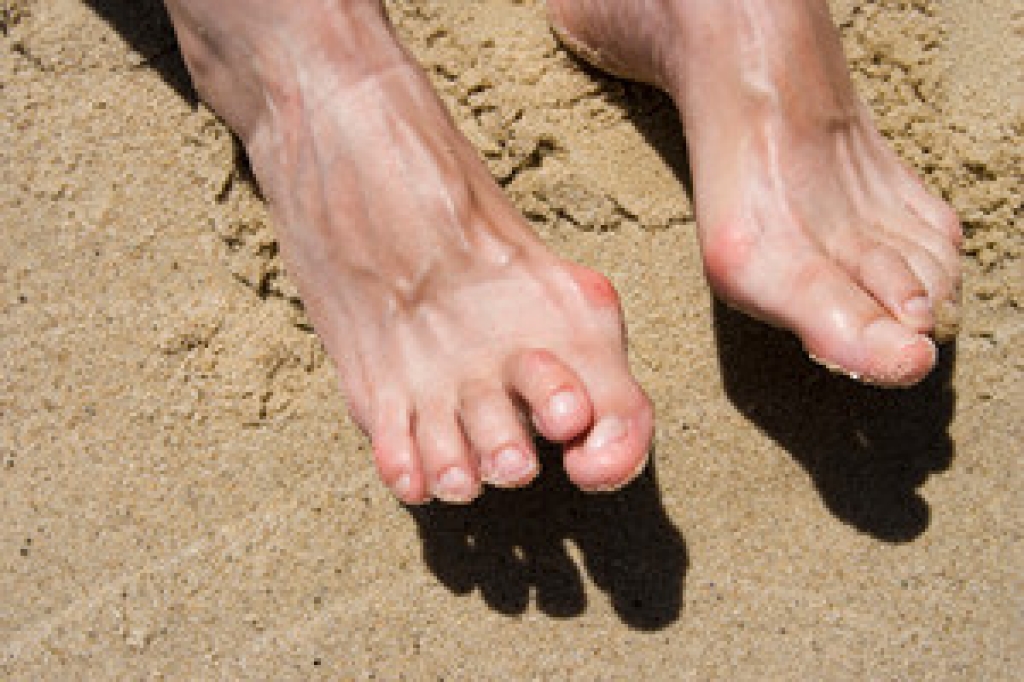 Hammertoe is a condition in which the joints of a toe become deformed, causing the toe to bend abnormally downward. This condition generally affects the second toe, but can occur in the third, fourth, or pinky toes. The hammertoe may be flexible or rigid. Signs that indicate you have developed a hammertoe can include pain at the top of the toe due to pressure from your shoes, pain at the base of the toe, corns on top of the toe, redness and swelling, and a decreased range of motion in the affected toe. Treatments depend on the severity of the hammertoe and can include conservative measures, such as wearing specialized foot pads or shoe inserts. In more severe cases surgery may be necessary. If you suspect that you have a hammertoe, it is recommended that you visit a podiatrist for proper care and treatment.
Hammertoes can be a painful condition to live with. For more information, contact Gabe Rodriguez, DPM of Sioux Falls Foot Specialist. Our doctor will answer any of your foot- and ankle-related questions.
Hammertoe
Hammertoe is a foot deformity that occurs due to an imbalance in the muscles, tendons, or ligaments that normally hold the toe straight. It can be caused by the type of shoes you wear, your foot structure, trauma, and certain disease processes.
Symptoms
Risk Factors
Treatment
If you have hammertoe, you should change into a more comfortable shoe that provides enough room for your toes. Exercises such as picking up marbles may strengthen and stretch your toe muscles. Nevertheless, it is important to seek assistance from a podiatrist in order to determine the severity of your hammertoe and see which treatment option will work best for you.
If you have any questions, please feel free to contact our office located in Sioux Falls, SD . We offer the newest diagnostic and treatment technologies for all your foot care needs.

Toenail fungus, or onychomycosis, is a common condition in which fungi infect the nails, causing thickening, discoloration, and brittleness. It often develops in warm, moist environments such as shoes, locker rooms, and around pools. Risk factors include aging, diabetes, compromised immune systems, nail trauma, and poor foot hygiene. Symptoms may involve yellow or white spots on the nail, crumbling edges, and an unpleasant odor. Without treatment, the infection can spread to other nails or skin. A podiatrist can accurately diagnose toenail fungus, provide effective treatments, and recommend preventive strategies. If you have symptoms of toenail fungus, it is suggested that you contact a podiatrist who can offer effective treatment remedies, which may include prescribed medication.
If left untreated, toenail fungus may spread to other toenails, skin, or even fingernails. If you suspect you have toenail fungus it is important to seek treatment right away. For more information about treatment, contact Gabe Rodriguez, DPM of Sioux Falls Foot Specialist. Our doctor can provide the care you need to keep you pain-free and on your feet.
Symptoms
Treatment
If self-care strategies and over-the-counter medications does not help your fungus, your podiatrist may give you a prescription drug instead. Even if you find relief from your toenail fungus symptoms, you may experience a repeat infection in the future.
Prevention
In order to prevent getting toenail fungus in the future, you should always make sure to wash your feet with soap and water. After washing, it is important to dry your feet thoroughly especially in between the toes. When trimming your toenails, be sure to trim straight across instead of in a rounded shape. It is crucial not to cover up discolored nails with nail polish because that will prevent your nail from being able to “breathe”.
In some cases, surgical procedure may be needed to remove the toenail fungus. Consult with your podiatrist about the best treatment options for your case of toenail fungus.
If you have any questions please contact our office located in Sioux Falls, SD . We offer the newest diagnostic and treatment technologies for all your foot and ankle needs.

Soccer players put their feet under constant stress, which can lead to several common problems. Scrapes may occur from contact with the ground or another player. Athlete’s foot is a fungal infection that thrives in damp shoes, causing itching and redness. Blisters form from friction between the skin and cleats, while calluses develop as thickened skin from repeated pressure. Ingrown toenails can result from improper nail trimming or tight footwear, causing pain and swelling. Prevention includes wearing well-fitted cleats, keeping feet clean and dry, and trimming nails correctly. A podiatrist can diagnose and treat these issues, while offering personalized advice for prevention. If you enjoy playing soccer, and have developed foot or ankle pain, it is suggested that you schedule an appointment with a podiatrist who can treat various issues of this nature.
Sports related foot and ankle injuries require proper treatment before players can go back to their regular routines. For more information, contact Gabe Rodriguez, DPM of Sioux Falls Foot Specialist. Our doctor can provide the care you need to keep you pain-free and on your feet.
Sports Related Foot and Ankle Injuries
Foot and ankle injuries are a common occurrence when it comes to athletes of any sport. While many athletes dismiss the initial aches and pains, the truth is that ignoring potential foot and ankle injuries can lead to serious problems. As athletes continue to place pressure and strain the area further, a mild injury can turn into something as serious as a rupture and may lead to a permanent disability. There are many factors that contribute to sports related foot and ankle injuries, which include failure to warm up properly, not providing support or wearing bad footwear. Common injuries and conditions athletes face, including:
Sports related injuries are commonly treated using the RICE method. This includes rest, applying ice to the injured area, compression and elevating the ankle. More serious sprains and injuries may require surgery, which could include arthroscopic and reconstructive surgery. Rehabilitation and therapy may also be required in order to get any recovering athlete to become fully functional again. Any unusual aches and pains an athlete sustains must be evaluated by a licensed, reputable medical professional.
If you have any questions please contact our office located in Sioux Falls, SD . We offer the newest diagnostic and treatment technologies for all your foot and ankle needs.

Fungal infections are a frequent problem for people with active lifestyles, and one of the most well-known is commonly called athlete’s foot. This condition often develops in warm, damp spaces such as gym locker rooms, community showers, or inside shoes that trap moisture. The infection usually begins between the toes and may cause itching, burning, redness, or peeling skin. In some cases, the problem can spread to the toenails, creating thickened or brittle nails that are harder to treat. Preventive steps include wearing breathable socks, rotating shoes to let them dry fully, and never walking barefoot in public facilities. Mild antifungal creams often bring relief, but stubborn or recurrent cases may require prescription medication. If you notice ongoing irritation or scaling on your feet that does not improve, it is suggested that you seek care from a podiatrist for a proper diagnosis and appropriate treatment, which may include prescribed medication.
Athlete’s Foot
Athlete’s foot is often an uncomfortable condition to experience. Thankfully, podiatrists specialize in treating athlete’s foot and offer the best treatment options. If you have any questions about athlete’s foot, consult with Gabe Rodriguez, DPM from Sioux Falls Foot Specialist. Our doctor will assess your condition and provide you with quality treatment.
What Is Athlete’s Foot?
Tinea pedis, more commonly known as athlete’s foot, is a non-serious and common fungal infection of the foot. Athlete’s foot is contagious and can be contracted by touching someone who has it or infected surfaces. The most common places contaminated by it are public showers, locker rooms, and swimming pools. Once contracted, it grows on feet that are left inside moist, dark, and warm shoes and socks.
Prevention
The most effective ways to prevent athlete’s foot include:
Symptoms
Athlete’s foot initially occurs as a rash between the toes. However, if left undiagnosed, it can spread to the sides and bottom of the feet, toenails, and if touched by hand, the hands themselves. Symptoms include:
Diagnosis and Treatment
Diagnosis is quick and easy. Skin samples will be taken and either viewed under a microscope or sent to a lab for testing. Sometimes, a podiatrist can diagnose it based on simply looking at it. Once confirmed, treatment options include oral and topical antifungal medications.
If you have any questions, please feel free to contact our office located in Sioux Falls, SD . We offer the newest diagnostic and treatment technologies for all your foot care needs.
Connect With Us
