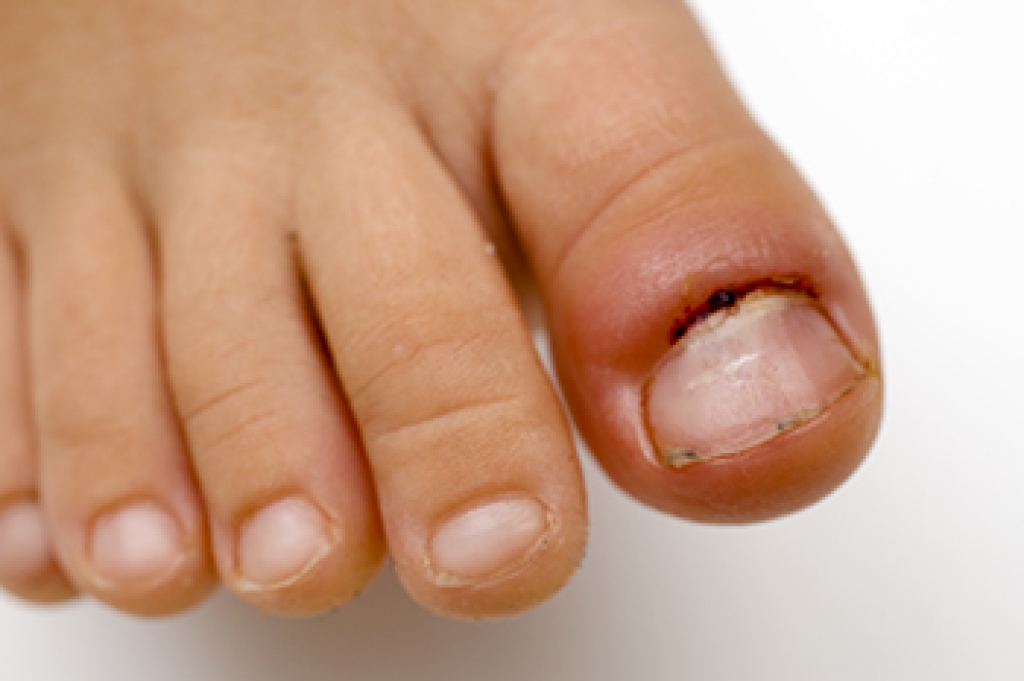
How Toe Pain Can Affect Daily Movement

Toe pain is a common condition that can disrupt walking, balance, and overall foot function. The toes play an important role in stability and movement, which makes them vulnerable to stress and injury. Pain may develop from structural deformities, joint inflammation, or repetitive strain from daily activities. Conditions such as gout, hammertoe, and tennis toe are frequent causes. Understanding these issues helps individuals recognize early warning signs and seek appropriate care before symptoms worsen.

Gout is a type of inflammatory arthritis caused by the buildup of uric acid crystals within the joint, most often affecting the big toe. It produces sudden and intense pain along with redness and swelling. Hammertoe is a deformity in which the toe bends at the middle joint, leading to pressure and irritation when wearing shoes. Bunions develop as a bony prominence at the base of the big toe, causing misalignment and discomfort. Tennis toe results from repeated trauma, often seen in athletes, and may lead to nail damage and localized soreness.

Symptoms of toe pain commonly include swelling, stiffness, and difficulty walking or standing for extended periods. Some individuals may experience tenderness or a burning sensation around the affected area. Risk factors include wearing tight or poorly fitted shoes, repetitive motion, and inherited foot structure. Obesity and certain health conditions may increase pressure on the toes. Athletes and individuals who spend long hours on their feet may also face a higher risk of developing toe pain.

Treatment depends on the underlying cause and severity of symptoms. Wearing properly fitted footwear, allowing time for rest, and using supportive devices can reduce pressure and improve comfort. Podiatric care may help correct alignment issues and manage inflammation effectively. Early diagnosis supports better outcomes and helps prevent progression. If you have toe pain, it is suggested that you consult a podiatrist for an accurate diagnosis and appropriate treatment.

Toe pain can disrupt your daily activities. If you have any concerns, contact Gabe Rodriguez, DPM of Sioux Falls Foot Specialist. Our doctor can provide the care you need to keep you pain-free and on your feet.

What Causes Toe Pain?

Most severe toe pain is caused due to a sports injury, trauma from dropping something heavy on the toe, or bumping into something rigid. Other problems can develop over time for various reasons.

Toe pain can be caused by one or more ailments. The most common include:

  • Trauma
  • Sports injury
  • Wearing shoes that are too tight
  • Arthritis
  • Gout
  • Corns and calluses
  • Hammertoe
  • Bunions
  • Blisters
  • Ingrown toenails
  • Sprains
  • Fractures (broken bones)
  • Dislocations

When to See a Podiatrist

  • Severe pain
  • Persistent pain that lasts more than a week
  • Signs of infection
  • Continued swelling
  • Pain that prevents walking

Diagnosis

In many cases the cause of toe pain is obvious, but in others, a podiatrist may want to use more advanced methods to determine the problem. These can range from simple visual inspections and sensation tests to X-rays and MRI scans. Prior medical history, family medical history, and any recent physical traumatic events will all be taken into consideration for a proper diagnosis.

Treatment

Treatments for toe pain and injuries vary and may include shoe inserts, padding, taping, medicines, injections, and in some cases, surgery. If you believe that you have broken a toe, please see a podiatrist as soon as possible.

If you have any questions please contact our office located in Sioux Falls, SD . We offer the newest diagnostic and treatment technologies for all your foot and ankle needs.
Read more about Toe Pain

Bunion Pain and Correctors

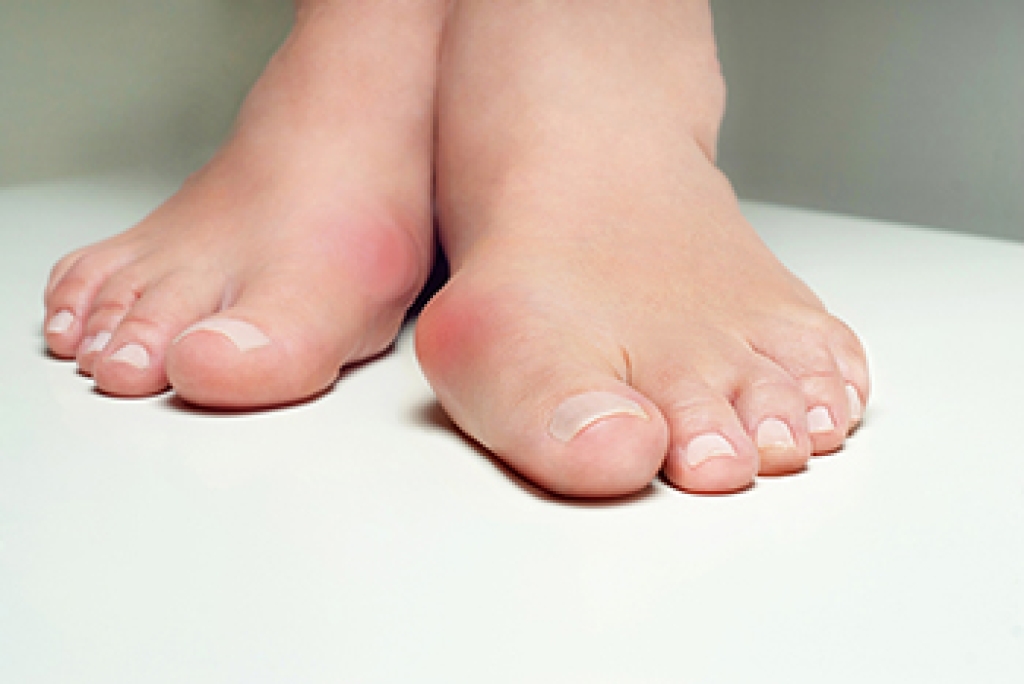
Bunions are a progressive foot deformity defined as a bony enlargement at the base of the big toe joint. This condition develops when the big toe gradually shifts toward the second toe, causing the joint to protrude outward. The misalignment places stress on surrounding tissues, leading to inflammation, discomfort, and changes in foot structure. Bunions can worsen over time, especially when contributing factors are not addressed early.

Common symptoms of bunions include swelling, redness, and joint stiffness at the base of the big toe. Pain often increases with walking, standing, or wearing tight fitting shoes. The skin over the bunion may become irritated due to friction, and the joint may feel tender or warm. As the condition progresses, individuals may notice difficulty with shoe fit, decreased range of motion, and changes in walking patterns.


Several causes and risk factors contribute to bunion formation. Genetics plays a key role, as inherited foot structure can predispose individuals to joint instability. Footwear is another major factor, especially shoes with a narrow toe box or high heels that place excessive pressure on the forefoot. Additional risk factors include flat feet, ligament laxity, and repetitive stress from prolonged standing or walking.


A bunion corrector is a supportive device designed to help improve toe alignment and reduce pressure on the affected joint. It works by gently guiding the big toe into a more natural position while providing cushioning and stability. Although it does not reverse the deformity, it can relieve discomfort and slow progression when used consistently. Benefits include reduced friction, improved comfort, and better foot positioning during daily activities. If you have bunions and want information about bunion correctors, it is suggested that you consult a podiatrist who can determine if this form of treatment is right for you.

If you are suffering from bunions, contact Gabe Rodriguez, DPM of Sioux Falls Foot Specialist. Our doctor can provide the care you need to keep you pain-free and on your feet.

What Is a Bunion?

A bunion is formed of swollen tissue or an enlargement of boney growth, usually located at the base joint of the toe that connects to the foot. The swelling occurs due to the bones in the big toe shifting inward, which impacts the other toes of the foot. This causes the area around the base of the big toe to become inflamed and painful.

Why Do Bunions Form?

Genetics – Susceptibility to bunions are often hereditary

Stress on the feet – Poorly fitted and uncomfortable footwear that places stress on feet, such as heels, can worsen existing bunions

How Are Bunions Diagnosed?

Podiatrists often perform two tests – blood tests and x-rays – when trying to diagnose bunions, especially in the early stages of development. Blood tests help determine if the foot pain is being caused by something else, such as arthritis, while x-rays provide a clear picture of your bone structure to your provider.

How Are Bunions Treated?

  • Refrain from wearing heels or similar shoes that cause discomfort
  • Select wider shoes that can provide more comfort and reduce pain
  • Anti-inflammatory and pain management drugs
  • Orthotics or foot inserts
  • Surgery

If you have any questions, please feel free to contact our office located in Sioux Falls, SD . We offer the newest diagnostic and treatment technologies for all your foot care needs.

Read more about Bunions

Connect With Us

Advanced Podiatric Procedures & Services in the Sioux Falls, SD 57105 area