
Your feet are covered most of the day. If you're diabetic, periodic screening is important for good health. Numbness is often a sign of diabetic foot and can mask a sore or wound.
Your feet are covered most of the day. If you're diabetic, periodic screening is important for good health. Numbness is often a sign of diabetic foot and can mask a sore or wound.

A bunion is a bony bump that forms at the base of the big toe when it shifts inward and the joint becomes misaligned. A bunion can develop due to wearing improper footwear, aging, genetics, and structural foot imbalances. Symptoms include pain, swelling, redness, and difficulty wearing certain shoes. Risk factors include tight or narrow footwear, prolonged standing, and inherited foot structure. Bunion surgery may be necessary when conservative treatments no longer relieve pain or when the deformity interferes with daily activities. Recovery typically takes several weeks and involves rest, limited weight-bearing, and a gradual return to normal movement. If you have a bunion that is causing pain or discomfort, it is suggested that you consult a podiatrist who can determine if foot surgery is right for you.
Foot surgery is sometimes necessary to treat a foot ailment. To learn more, contact Gabe Rodriguez, DPM of Sioux Falls Foot Specialist. Our doctor will assist you with all of your foot and ankle needs.
When Is Surgery Necessary?
Foot and ankle surgery is generally reserved for cases in which less invasive, conservative procedures have failed to alleviate the problem. Some of the cases in which surgery may be necessary include:
What Types of Surgery Are There?
The type of surgery you receive will depend on the nature of the problem you have. Some of the possible surgeries include:
Benefits of Surgery
Although surgery is usually a last resort, it can provide more complete pain relief compared to non-surgical methods and may allow you to finally resume full activity.
Surgical techniques have also become increasingly sophisticated. Techniques like endoscopic surgery allow for smaller incisions and faster recovery times.
If you have any questions, please feel free to contact our office located in Sioux Falls, SD . We offer the newest diagnostic and treatment technologies for all your foot care needs.
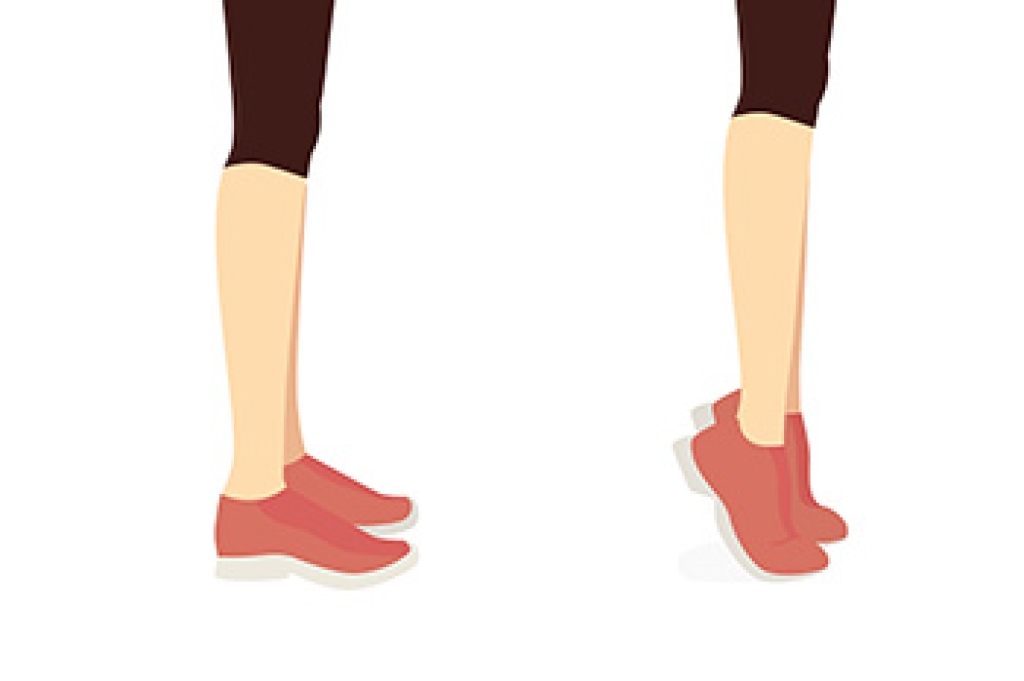
Heel pad syndrome involves thinning or damage to the fat pad beneath the heel, which normally cushions impact while walking and standing. It can be caused by aging, obesity, improper footwear, or an uneven gait that increases pressure on the heel. Symptoms include deep aching pain in the center of the heel, especially during prolonged standing or walking. Exercises include calf stretching, heel raises, hamstring stretches, and gently rolling a ball under the foot, which can improve flexibility and reduce strain. Risk factors include high-impact activities, poor foot support, and repetitive stress. A podiatrist can help by evaluating foot mechanics, recommending treatments, and providing expert guidance. If heel pain persists, it is suggested that you consult a podiatrist who can offer you appropriate relief tips tailored to your needs.
Exercising your feet regularly with the proper foot wear is a great way to prevent injuries and build strength. If you have any concerns about your feet, contact Gabe Rodriguez, DPM from Sioux Falls Foot Specialist. Our doctor can provide the care you need to keep you pain-free and on your feet.
Exercise for Your Feet
Exercise for your feet can help you gain strength, mobility and flexibility in your feet. They say that strengthening your feet can be just as rewarding as strengthening another part of the body. Your feet are very important, and we often forget about them in our daily tasks. But it is because of our feet that are we able to get going and do what we need to. For those of us fortunate enough to not have any foot problems, it is an important gesture to take care of them to ensure good health in the long run.
Some foot health exercises can include ankle pumps, tip-toeing, toe rises, lifting off the floor doing reps and sets, and flexing the toes. It is best to speak with Our doctor to determine an appropriate regimen for your needs. Everyone’s needs and bodies are different, and the activities required to maintain strength in the feet vary from individual to individual.
Once you get into a routine of doing regular exercise, you may notice a difference in your feet and how strong they may become.
If you have any questions, please feel free to contact our office located in Sioux Falls, SD . We offer the newest diagnostic and treatment technologies for all your foot care needs.

Rheumatoid arthritis is a chronic autoimmune condition in which the immune system attacks healthy joints, leading to inflammation, pain, and stiffness that can affect mobility and daily life. While the exact cause is not always clear, lifestyle factors can influence how the condition develops and progresses. Smoking, obesity, and poor physical activity levels may contribute to more severe symptoms and negative outcomes by increasing inflammation and placing additional stress on the joints. These factors can also impact foot health, making walking and standing more difficult. A podiatrist can help by evaluating foot structure, relieving pressure, and providing supportive care to improve comfort and function. If you have joint pain or stiffness, it is suggested that you seek professional podiatric care for appropriate relief solutions and symptom management tips.
Because RA affects more than just your joints, including the joints in your feet and ankles, it is important to seek early diagnosis from your podiatrist if you feel like the pain in your feet might be caused by RA. For more information, contact Gabe Rodriguez, DPM of Sioux Falls Foot Specialist. Our doctor will assist you with all of your podiatric concerns.
What Is Rheumatoid Arthritis?
Rheumatoid Arthritis (RA) is an autoimmune disorder in which the body’s own immune system attacks the membranes surrounding the joints. Inflammation of the lining and eventually the destruction of the joint’s cartilage and bone occur, causing severe pain and immobility.
Rheumatoid Arthritis of the Feet
Although RA usually attacks multiple bones and joints throughout the entire body, almost 90 percent of cases result in pain in the foot or ankle area.
Symptoms
Diagnosis
Quick diagnosis of RA in the feet is important so that the podiatrist can treat the area effectively. Your doctor will ask you about your medical history, occupation, and lifestyle to determine the origin of the condition. Rheumatoid Factor tests help to determine if someone is affected by the disease.
If you have any questions, please feel free to contact our office located in Sioux Falls, SD . We offer the newest diagnostic and treatment technologies for all your foot care needs.
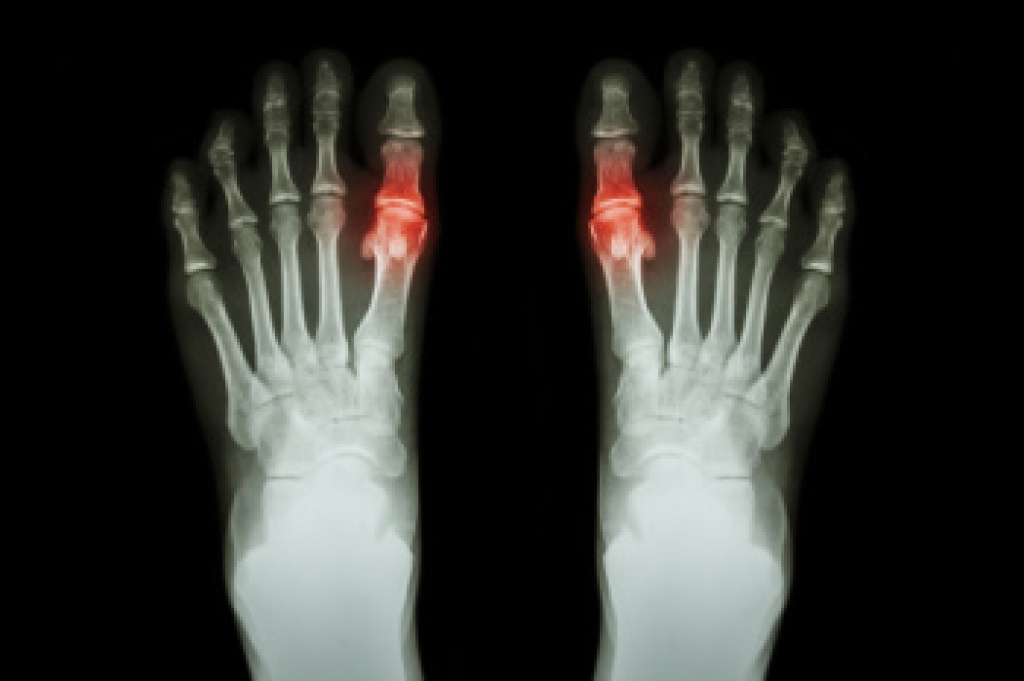
Gout is a form of inflammatory arthritis caused by high levels of uric acid in the blood, which leads to the formation of sharp crystals in the joints. Gout commonly affects the big toe and foot, causing intense pain, swelling, redness, and warmth. Symptoms often appear suddenly and can make walking difficult. Causes include the body producing too much uric acid or not removing enough through normal processes. Risk factors include genetic predisposition, excess body weight, high blood pressure, and diabetes. Diet and lifestyle choices may also contribute to flare-ups. A podiatrist can diagnose gout, recommend treatments to reduce pain and inflammation, and provide guidance on managing symptoms and preventing future attacks. Gout can be extremely painful and may cause difficulty in completing daily activities. If you have sudden foot pain or swelling, it is suggested that you promptly consult a podiatrist who can help you to manage this painful condition.
Gout is a painful condition that can be treated. If you are seeking treatment, contact Gabe Rodriguez, DPM from Sioux Falls Foot Specialist. Our doctor will treat your foot and ankle needs.
What Is Gout?
Gout is a form of arthritis that is characterized by sudden, severe attacks of pain, redness, and tenderness in the joints. The condition usually affects the joint at the base of the big toe. A gout attack can occur at any random time, such as the middle of the night while you are asleep.
Symptoms
Risk Factors
Prior to visiting your podiatrist to receive treatment for gout, there are a few things you should do beforehand. If you have gout you should write down your symptoms--including when they started and how often you experience them, important medical information you may have, and any questions you may have. Writing down these three things will help your podiatrist in assessing your specific situation so that he or she may provide the best route of treatment for you.
If you have any questions, please feel free to contact our office located in Sioux Falls, SD . We offer the newest diagnostic and treatment technologies for all your foot care needs.
Connect With Us
